










HENRI MATISSE
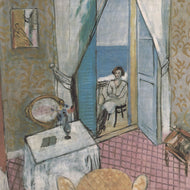
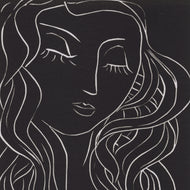
Henri-Émile-Benoit Matisse (1869 – 1954) was a French graphic artist, sculptor, set designer, and architect. However, he is best known for his painting – he gained fame through his use of color and his brilliant drawing skills. He was a leading figure in the art movement known as Fauvism. Along with Pablo Picasso, he is among the artists who most influenced the development of art in the second half of the 20th century. Matisse initially studied law, but then understood his calling and decided on an artistic career, beginning to study painting. In 1896, Matisse first presented his paintings to the public.
The name "Fauves" was given to the group of French painters, exhibiting together at the Paris Autumn Salon in 1905 and the Salon des Indépendants in 1906, by the critic Louis Vauxcelles. Henri Matisse was the leading figure of the group.
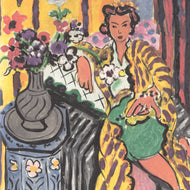
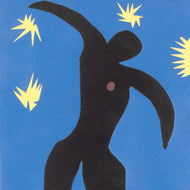
Matisse's first paintings, created in the 1890s, showed elements of academism. By the early 20th century, however, he was painting under the influence of Cézanne and Post-Impressionism. Later, Matisse, along with other Fauves, began to use intense, even explosive, colors. From this time on, the connection between color and form, which reflected his emotional reactions, became important to him. He longed to create art in which the painter's inner world would be in harmonious accord with the external world.
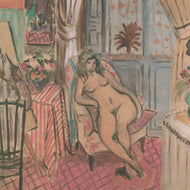
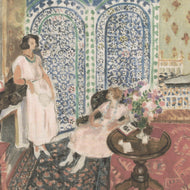
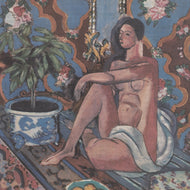
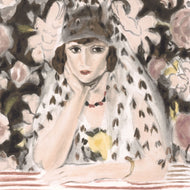
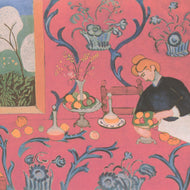
The main theme of his work, which he pursued throughout his life, was the female figure. He also devoted himself to still life, interiors, and his favorite ornament was the arabesque.