















MAX ERNST
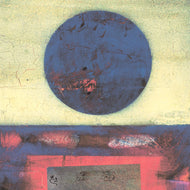
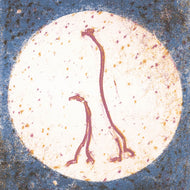
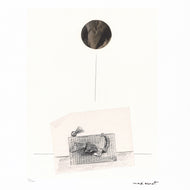
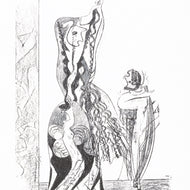
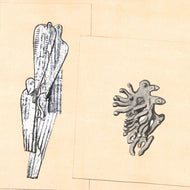
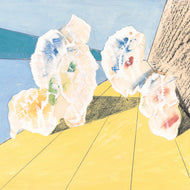
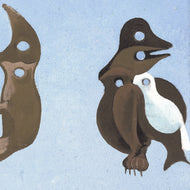
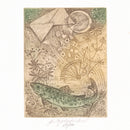
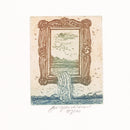
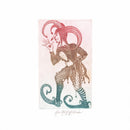
Max Ernst (1891 - 1976) was a German painter who spent a large part of his life in France and the USA. He studied art history, philosophy, and psychology; as a painter, he was self-taught. He is among the founders of Dadaism and Surrealism. In his work, he used unusual artistic techniques, some of which he invented himself. His sculptural works are also significant. He had a great influence on American art of the second half of the 20th century, especially abstract expressionism.
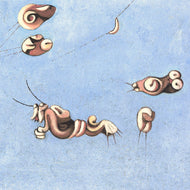
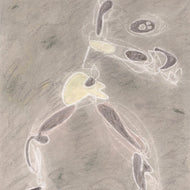
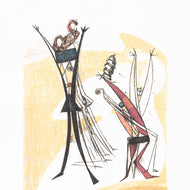
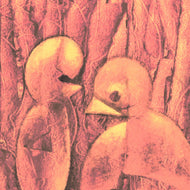
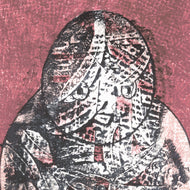
Max Ernst admired Leonardo da Vinci. Da Vinci's considerations of the ambiguous forms of stains on a wall, ashes in a fireplace, or flowing water were one of the sources of inspiration for the artistic techniques Ernst used or invented. In his paintings, Ernst created an ambiguous, terrifying, and joyful world where everything mixed with everything: organic and inorganic, human and animal, rational and magical. His paintings are inhabited by human figures and fantastic creatures set in the landscapes of Italian Renaissance painters.
Ernst is often referred to as the "magician of Surrealism." In his works, he sought to find ideal means to express the essence of the world of dreams and imagination, which transcends all dimensions, in two or three dimensions.