








GUSTAV KLIMT
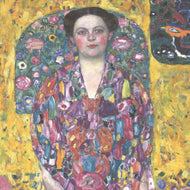
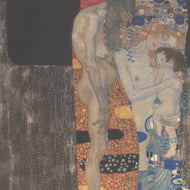
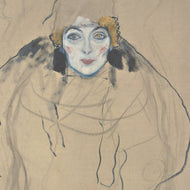
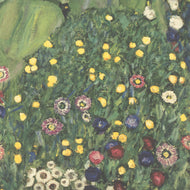
Gustav Klimt (1862-1918) was an Austrian painter, primarily known as the author of allegorical, mythological, and actual portraits, characterized by captivating beauty and sophisticated sensuality with an erotic charge. Already in his youth, he showed significant talent for drawing and painting, and both of his brothers also had artistic inclinations. While still studying, he formed an artistic trio with his brother Ernst and fellow student Franz Matsch. Their workshop created, for example, the decoration of the theatre in Karlovy Vary and in Liberec, where the original painted curtain can still be seen today. In 1897, Gustav Klimt became the first chairman of the Secession art association, which he founded together with architects Joseph M. Olbrich and Josef Hoffmann and other prominent figures.
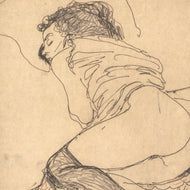
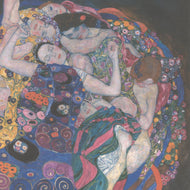
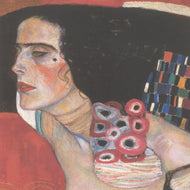
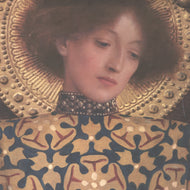
Gustav Klimt's unique style was formed between 1898 and 1908, during his work for the University of Vienna and his membership in the Secession association. During this period, works such as The Kiss, Pallas Athena, Danaë, Judith I, and Portrait of Adele Bloch-Bauer I were created. He died in 1918 from the Spanish flu. His estate contained numerous sketches of nude women in various poses, including the most intimate ones. Gustav Klimt held an influential position in the art of the monarchy and was a popular portrait painter of Viennese society. He is considered one of the key figures in Austrian art history.